
 By Phil Schafer, Grace Cottage Emergency Department Physician Assistant
Tick-related emergency room visits are most common in the spring and fall, when ticks are hungriest for a blood meal. They attach to a red-blooded host and suck blood for several days. If left alone undiscovered, they will fall off on their own when they are full.
It’s what they leave behind that causes the most concern – diseases that can cause chronic, lifelong ailments and, in worst cases, even death.
The VT Agency of Agriculture and the VT Department of Health (VDH) have been studying tick populations here for more than 10 years. Current data shows that 94% of ticks they collected were blacklegged ticks, with over half of these carrying at least one disease that could be spread to humans through their bites.
The most common tick-borne disease in Vermont is Lyme disease, followed by anaplasmosis, then babesiosis. These three tick diseases are especially prevalent in southern Vermont.
The most common sign that you have contracted Lyme Disease is a characteristic bull’s eye or oval red spot at the site of the tick bite, which occurs in 70-80 percent of cases. Other signs, generally occurring in the first two weeks after a bite, may include muscle aches, joint pain, and headache.
For most people in the earlier stages of Lyme disease, antibiotics are effective in eliminating further complications. If left untreated, the disease may progress, causing cardiac, neurologic, and arthritic symptoms. Treatment at this point generally prevents further problems, but lack of diagnosis can lead to chronic problems with muscles, joints, and nerves.
Public information and community experience have been largely successful in helping people become aware of the dangers from Lyme disease. Less well-known is anaplasmosis, the second most common tickborne disease.
Since 2015, Vermont has had the highest annual incidence of anaplasmosis in the U.S.
Anaplasmosis is curable, but it can be serious and sometimes fatal if not treated promptly, especially for older patients and people with other health problems. Thirty-six percent of Vermonters with anaplasmosis are hospitalized for their illness. Symptoms usually begin 5-21 days after a bite.
Like Lyme disease, anaplasmosis can cause fever, chills, headaches, muscle aches, and flu-like symptoms. Unlike Lyme disease, it does not usually cause a rash (only about 9% of the time). Blood tests help healthcare providers diagnose this disease.
Babesiosis is caused by a microscopic blood parasite called Babesia microti. Most cases in Vermont have occurred in the state’s southern-most counties: Bennington, Rutland, Windsor, and Windham.
Many people infected with babesiosis do not experience symptoms. When symptoms do occur, it’s typically one to four weeks after a tick bite and can include fever, chills, sweats, headache, body aches, loss of appetite, nausea, or fatigue. Babesiosis can also cause a type of anemia, which causes jaundice (yellowing of the skin) and dark urine.
Babesiosis can be diagnosed using blood tests. The disease can be successfully treated with the appropriate medical care. People with compromised immune systems, kidney or liver disease, those who do not have a spleen, and older adults are at greater risk for serious complications, including death, from babesiosis.
Vermont is home to several species of ticks, but the most important one to know about is the black-legged tick, also known as the deer tick. Over 99% of all tickborne diseases reported in VT are caused by this one tick. 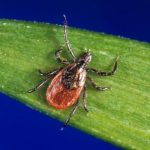
Female adult and young (nymph) black-legged ticks can transmit disease, but the greater risk is from nymphs because they are so tiny – roughly the size of a poppy seed. Adult black-legged ticks are identifiable by an orangish spot on their backs.
Once attached, ticks can swell up to nearly ten times their original size, so they are more visible after feeding for a while. The longer they are attached, the more likely they are to transmit diseases.
The CDC suggests seeking a medical evaluation after a tick bite if the tick has been attached for more than 36 hours and is blood engorged. A dose of prophylactic (preventive) medication can be given within 72 hours of removal and can normally be taken care of with a call to your primary care provider.
The best defense to avoid a tickborne disease is a good offense. Ticks cling to the end of leaves and grasses so they can hitch a ride on you when you brush up against them.
When hiking in the woods, stay in the center of the trail. Wear long sleeves and long pants and tuck them into your socks. Spray your skin or clothing with DEET, Picaridin, or oil of lemon-eucalyptus. Do not use DEET in concentrations greater than 30%, and do not use any DEET on children less than 2 years of age.
Be vigilant; check yourself thoroughly when arriving home from outdoor activities, and if you find an attached tick, remove it promptly, using tweezers or a tick-removing device, grasping the tick as close to the skin as possible. Pull firmly without twisting. Do not squeeze or crush the tick, as its body may still contain infection-causing organisms, which may transfer to your hands.
Make note of the tick’s appearance (size and color), site of bite, and estimated time of attachment. Then consult with your medical provider about taking antibiotics.
May in national Lyme Disease Awareness Month, and May and June are peak times for encountering ticks in the woods, so it’s a good time to re-acquaint yourself with this information.
For more information, you can visit this website: https://www.healthvermont.gov/disease-control/tick-bite-illnesses.